Hangzhou Changshun Meubilair Co., Ltd.
Onze Collecties
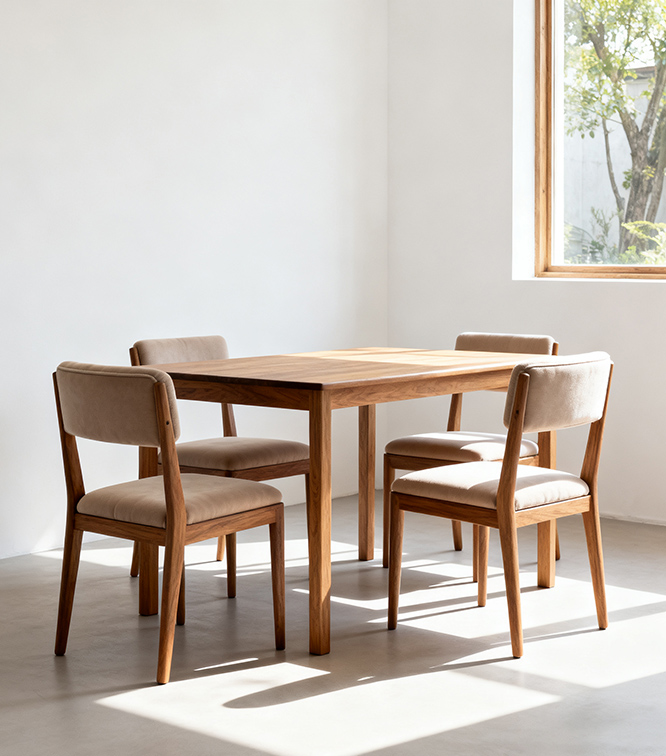
Houten gestoffeerde stoel
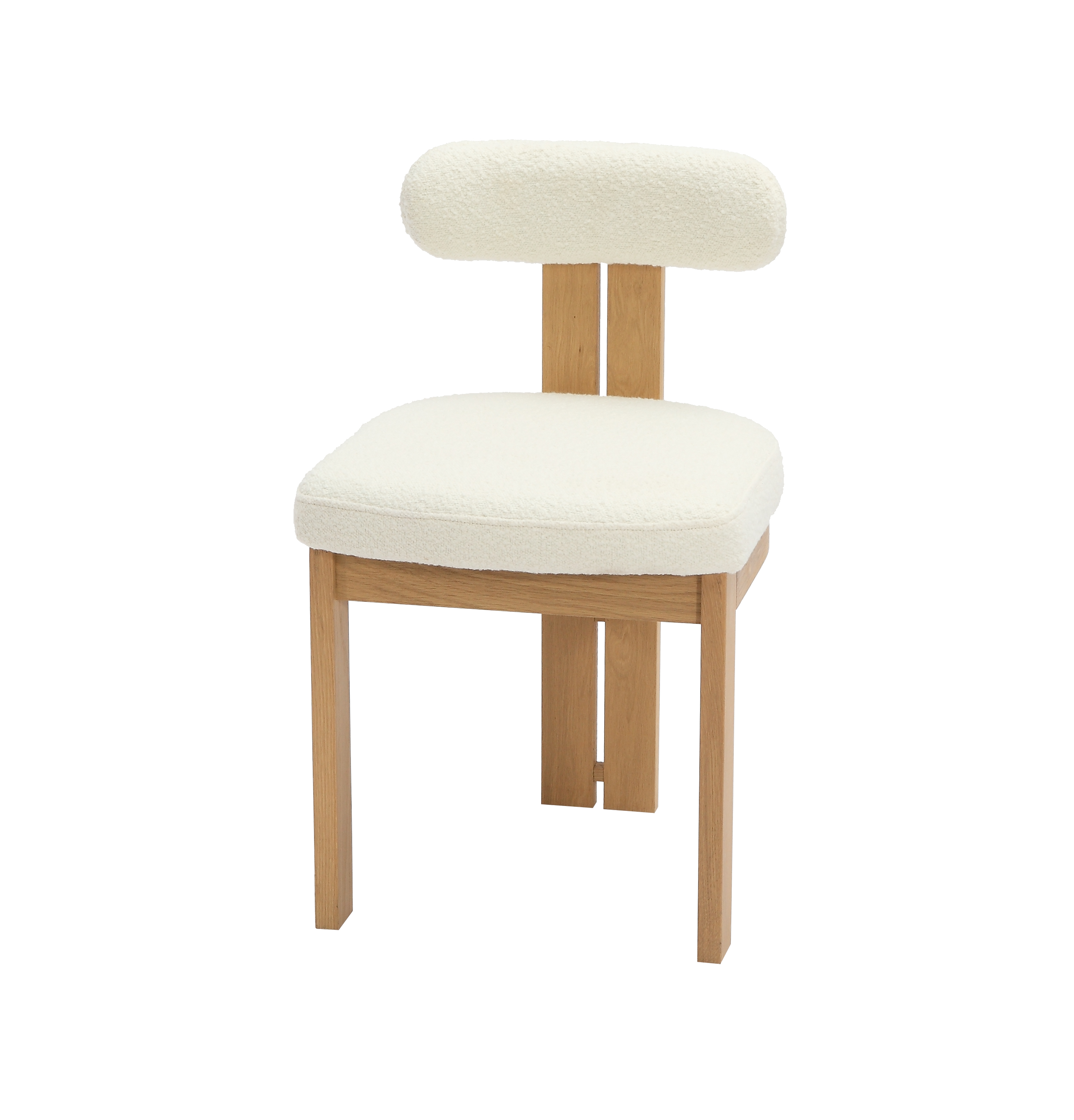 Statief gestoffeerde eetkamerstoel met gebogen rugkussen
De gestoffeerde eetkamerstoel met driepoot en gebogen rugkussen biedt een harmonieuze mix van nat
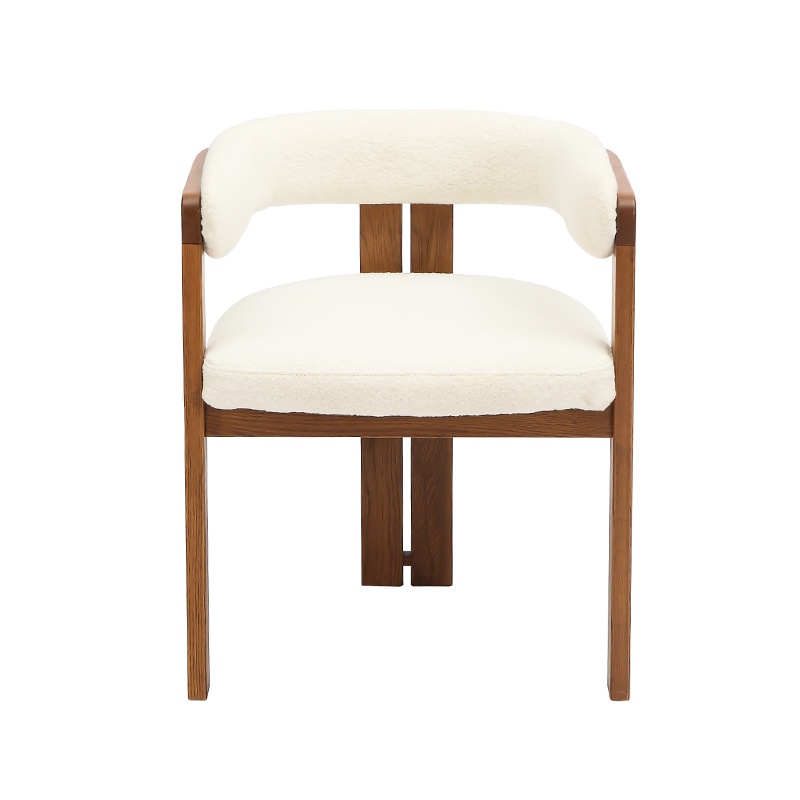 Statief gestoffeerde eetkamerstoel met omhullende lendensteun
De Tripod Dining Upholstered Chair heeft een statiefframe gemaakt van massief natuurlijk eikenhou
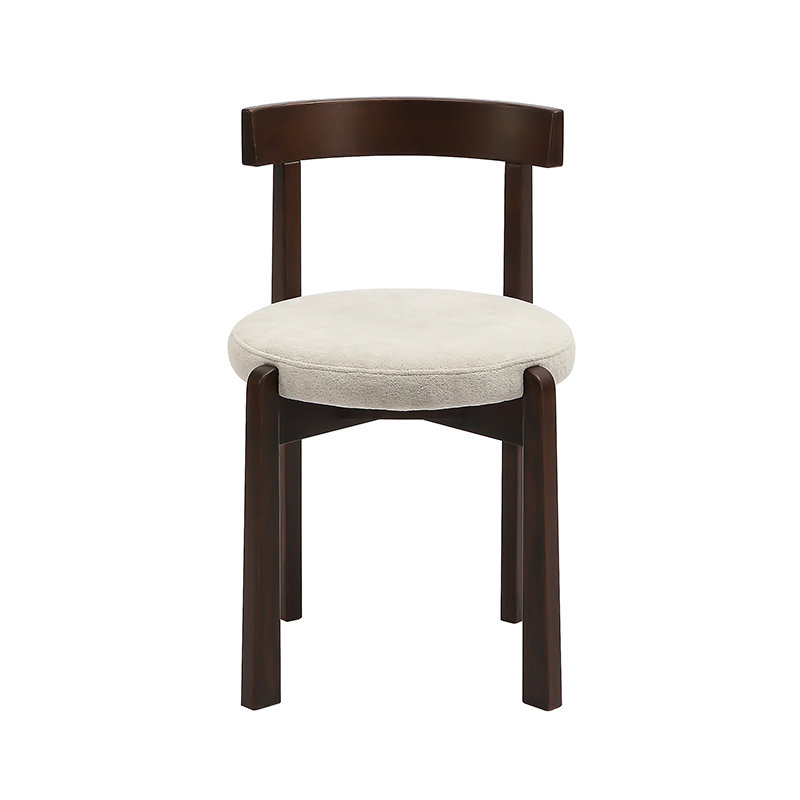 Gestoffeerde eetkamerstoel met rond kussen en frame met bruine verfafwerking
Deze eetkamerstoel met ronde kussens heeft een tijdloos modern ontwerp uit het midden van de eeuw
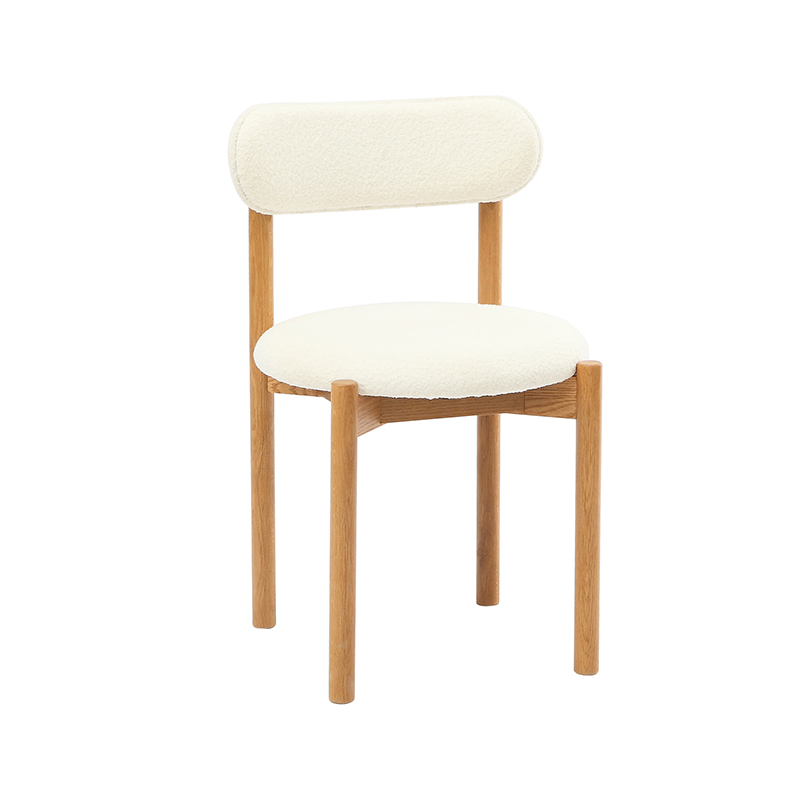 Eetkamerstoel met zit- en rugkussen
Deze eetkamerstoel combineert natuurlijke elegantie met superieur comfort. Hij is gemaakt van mas
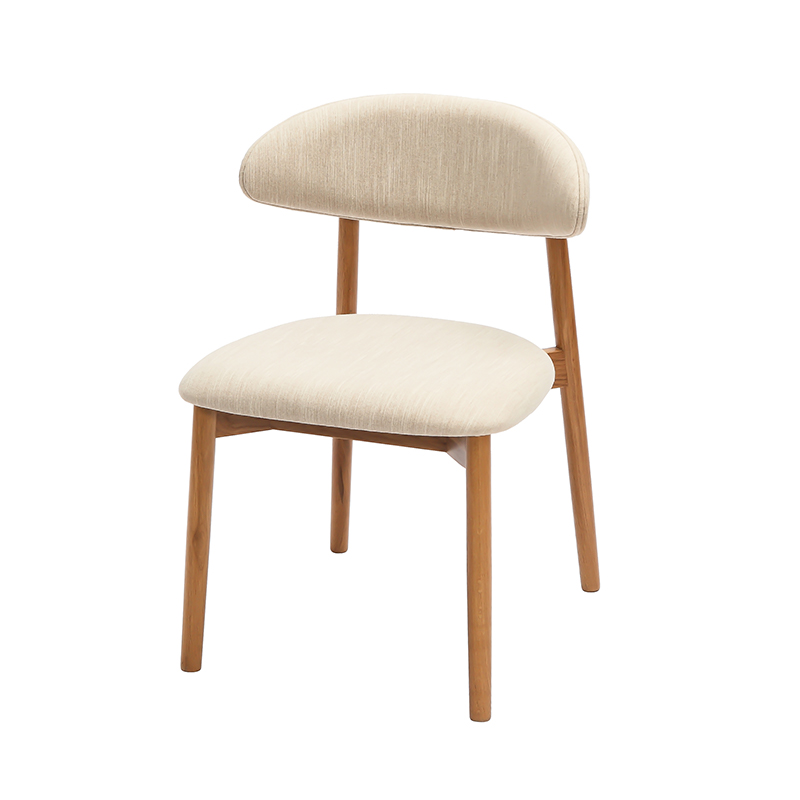 Eikenhouten eetkamerstoel met gebroken wit kussen
Deze eiken eetkamerstoel, vervaardigd met een tijdloze esthetiek, past naadloos in zowel woon- al
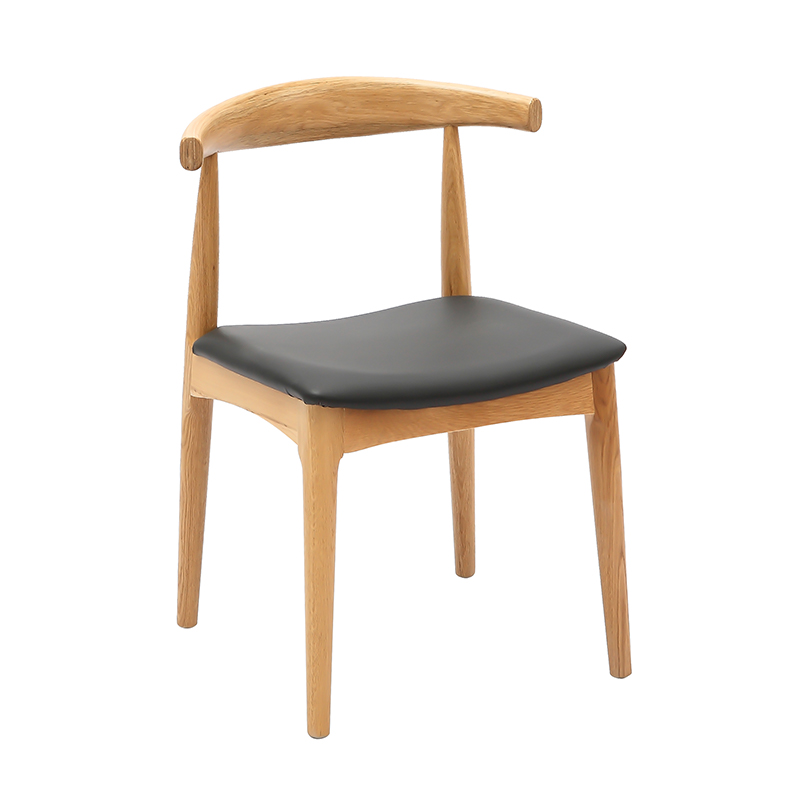 Eetkamerstoel met leren textuurkussen
Deze gestoffeerde eetkamerstoel brengt verfijnd vakmanschap en natuurlijke elegantie in elke ruim
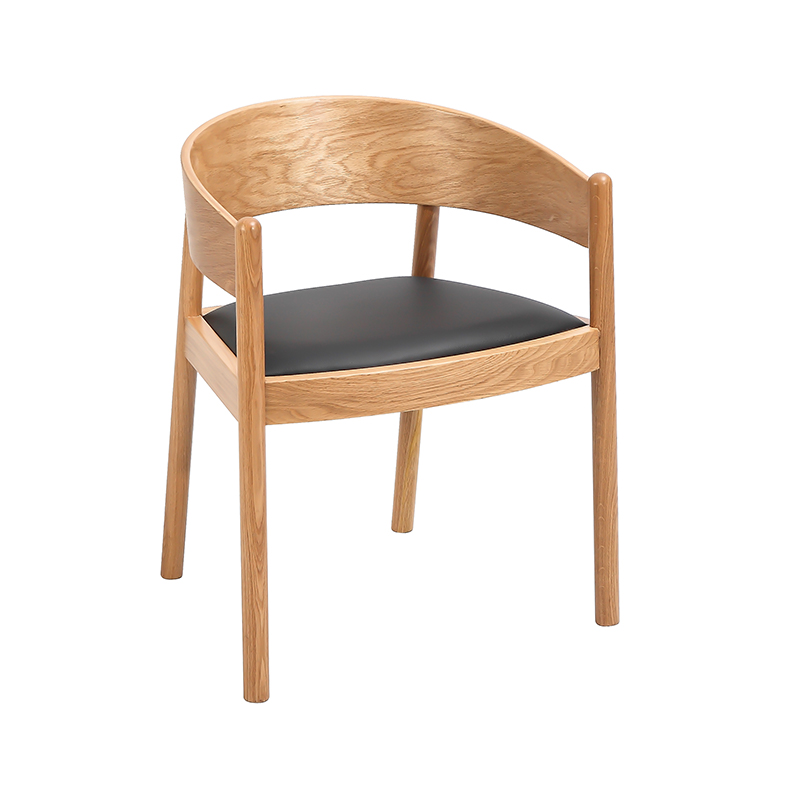 Eetkamerstoel met PU-zitkussen
Deze eetkamerstoel combineert klassieke elegantie met moderne functionaliteit, gemaakt van massie
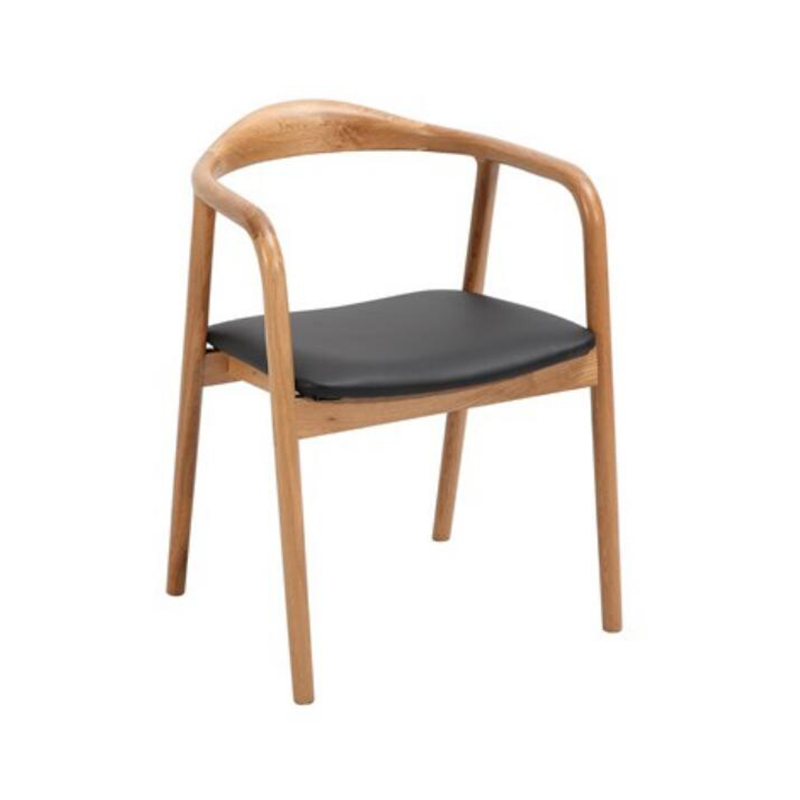 Ambachtelijke beukenhouten eetkamerstoel
De Artisanal Beech Dining Upholstered Chair is vervaardigd met uitzonderlijke aandacht voor detai
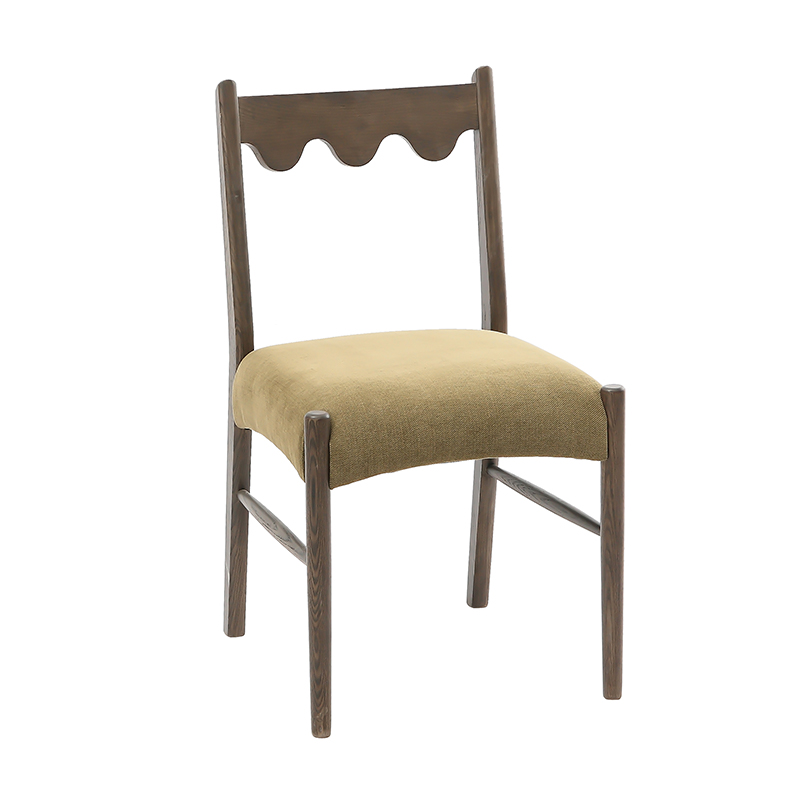 Licht olijfgroene eetkamer gestoffeerde stoel
Geef uw eetruimte een boost met de verfijnde charme van de licht olijfgroene gestoffeerde eetkame
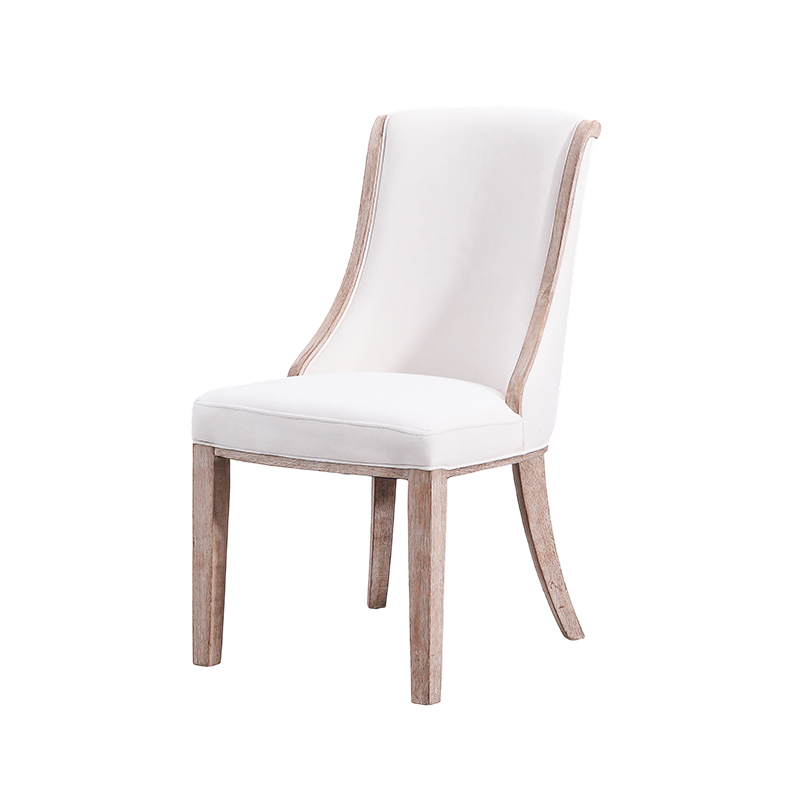 Gestoffeerde eetkamerstoel met effen wit kussen
Deze eetkamerstoel combineert minimalistische elegantie met uitzonderlijk comfort, waardoor hij e
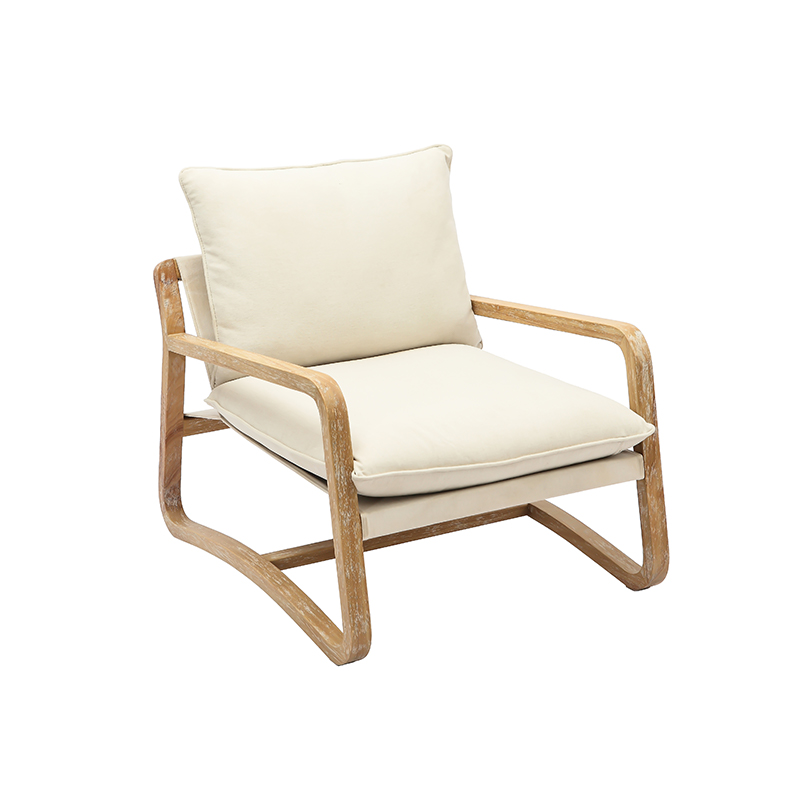 Eetkamerstoel met stoffering en gebroken wit kussen
Deze gestoffeerde eetkamerstoel is een perfecte mix van comfort, elegantie en functionaliteit. Hi
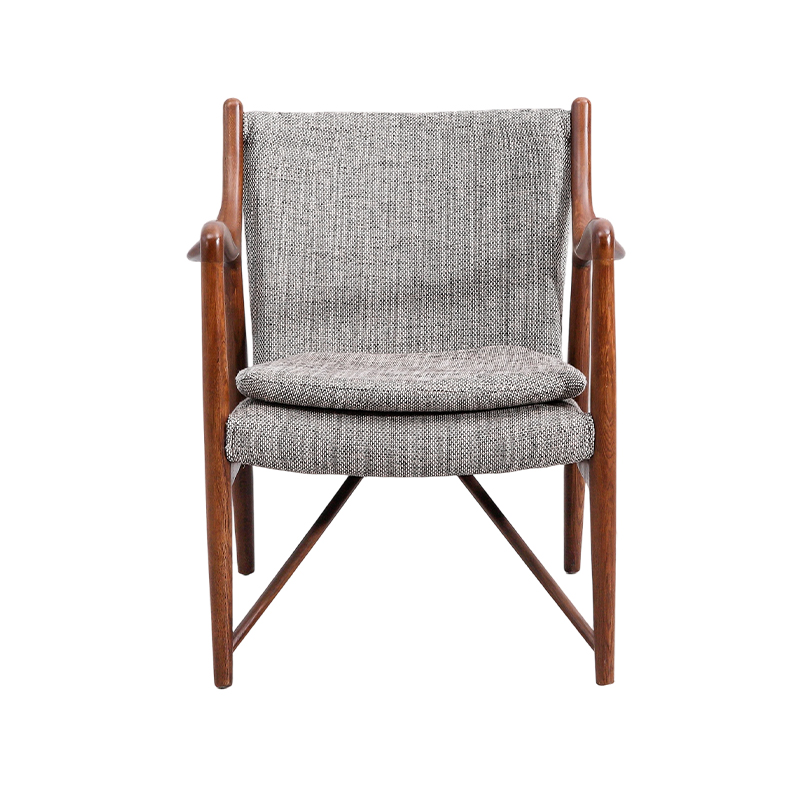 Gestoffeerde eetkamerstoel met kruisbeugel en gebogen armleuning
Geef uw eetruimte een boost met de verfijnde elegantie van de Cross Brace Dining-gestoffeerde sto
De Wood Upholstered Chair-serie combineert naadloos de warmte van natuurlijk hout met het comfort van moderne kussens. Elke stoel in de collectie is zorgvuldig ontworpen om zowel esthetiek als functionaliteit te ondersteunen, waardoor ze een aanvulling vormen op een breed scala aan eetomgevingen.
Met de nadruk op ergonomische vorm en diverse styling biedt deze collectie verschillende rugleuningvormen, zitmaterialen en houtafwerkingen. Of het nu de zachte ronding van een rugleuning is of de subtiele elegantie van een lichtbruin houten frame, elk detail is ontworpen om de dagelijkse eetervaring naar een hoger niveau te tillen.
De serie omvat een selectie zitkussens, waaronder PU-leer, stof en gebroken witte vulling om aan verschillende tactiele voorkeuren te voldoen. Deze doordachte variëteit brengt een harmonieus evenwicht tussen visuele aantrekkingskracht en gebruikerscomfort.
Door een minimalistisch design te combineren met traditionele houtwerkelementen, roepen deze stoelen een rustige verfijning op. Ze vervullen niet alleen een functionele rol, maar worden ook een subtiel hoogtepunt in zowel moderne als klassieke interieurs.
Over Changshun
Uw Betrouwbare Bedrijf
Hangzhou Changshun Furniture Co., Ltd. is een geïntegreerde fabrikant en handelsonderneming die zich bezighoudt met het ontwerp, de ontwikkeling, productie en verkoop van houten en rotan stoelen en tafels. Fabrikanten van Houten Beklede Stoelen en Fabriek voor Houten Beklede Stoelen in China.
Onze producten leggen de nadruk op zorgvuldig ontwerp en gebruiken milieuvriendelijke materialen om veiligheid en gezondheid te waarborgen. Daarnaast bieden wij uitstekende after-sales service om eventuele problemen tijdens het gebruik op te lossen, zodat klanten een zorgeloze winkelervaring hebben.
Met meer dan twee decennia van toegewijde inspanning heeft Hangzhou Changshun Furniture Co., Ltd. zijn markt succesvol uitgebreid naar Europa, Noord-Amerika, Zuidoost-Azië en het Midden-Oosten, en krijgt het consistent lof van klanten. Levering Op Maat Gemaakte Beklede Houten Eetkamerstoelen, Houten Beklede Stoelen Te Koop. Gesteund door sterke technische expertise, geavanceerde productieapparatuur, een professionele werknemers en hoogwaardige producten en diensten, is het bedrijf uitgegroeid tot een kwaliteitsonderneming in de meubelindustrie van de provincie Zhejiang. Onze producten genieten een sterke reputatie op internationale markten en hebben het vertrouwen en de steun van een breed klantenbestand gewonnen.
Vakkennis
Hangzhou Changshun Furniture Co., Ltd. is gevestigd in China Fabrikant van houten gestoffeerde stoelen productie van massief houten eetstoelen met geïntegreerde bekleding van stof, PU en leer. Ons assortiment omvat driepoot-, rondkussen-, armleuning- en kruisschoorframes in eiken en beuken, afgewerkt voor residentiële eetkamers, horecaprojecten en OEM-meubelprogramma's.
Wij verzorgen de ontwerpontwikkeling, framebewerking, assemblage van bekleding, afwerking en inspectie vóór verzending in één productiestroom. Elk model wordt geconfigureerd rond de zithoogte van de koper, de kussenspecificatie, de houtafwerking en de stofkeuze, en wordt vervolgens bevestigd aan de hand van een fysiek monster voordat de volumeproductie begint.
De collectie is georganiseerd rond de geometrie van de rugleuning en de frameconstructie, zodat bestekschrijvers een stoel kunnen afstemmen op de eetkamerindeling, tafelhoogte en interieurtaal, in plaats van te kiezen uit één enkel silhouet. Alle modellen delen dezelfde constructielogica: een massief houten frame, een zitplatform met schuimkussens en een gestoffeerd achterpaneel waar het ontwerp erom vraagt.
| Modelfamilie | Kader en kussen | Typische toepassing |
|---|---|---|
| Statief gestoffeerde eetkamerstoel met gebogen rugkussen | Massief eiken statiefonderstel, boucle zitting en gebogen tonvormige rugleuning | Compacte eetkamers, cafézitplaatsen, accentplaatsing |
| Statief gestoffeerde eetkamerstoel met omhullende lendensteun | Driepootframe van natuurlijk eikenhout, bouclébekleding, voorgevormd lendenpaneel | Uitgebreide eet-, restaurant- en loungezitplaatsen |
| Gestoffeerde eetkamerstoel met rond kussen en frame met bruine verfafwerking | Massief eikenhout, lichtbruine lakafwerking, ronde zitting met schuimvulling | Interieurs uit het midden van de eeuw, contractdiners, winkeldisplay |
| Zit- en rugkussen / Effen wit / Gebroken wit Kussenmodellen | Houten frame met bijpassende zit- en rugkussens in stof of PU | Residentiële eetsets, hotelkamers, showappartementen |
| Modellen met leertextuur / PU-zitkussen | Gecoate bekleding op schuim met hoge dichtheid, afwasbaar oppervlak | Drukbezochte horeca, foodservice, verhuurinrichting |
| Ambachtelijke Beuken / Licht Olijfgroen / Eiken Gebroken witte modellen | Frame van beuken- of eikenhout, gekleurd of neutraal kussenpalet | Op design gerichte retailcollecties, op kleur afgestemde eetschema's |
| Gestoffeerde eetkamerstoel met kruisbeugel en gebogen armleuning | Frame met kruisversteviging, gebogen armleuning, zitting met kussens | Zitplaatsen aan het hoofd van de tafel, dineren in een club en in een restaurant |
Frames worden geproduceerd uit massief eiken en beukenhout, geselecteerd op korrelconsistentie, maatvastheid en schroefvastheid op de verbindingsposities. Pootprofielen variëren van de drie platte statiefpoten die in de statieffamilie worden gebruikt tot taps toelopende en gekruiste configuraties. Wanneer een ontwerp een geverfde of gelakte afwerking vereist, wordt het frame vóór de kleurlaag geschuurd en verzegeld, zodat de nerven zichtbaar blijven onder de bruine of neutrale toplaag.
De keuze van de bekleding bepaalt zowel het tactiele karakter van de stoel als het onderhoudsprofiel ervan. We bieden stof-, PU- en leertextuuropties voor het hele assortiment, en de juiste selectie hangt af van waar de stoel zal worden gebruikt en niet alleen van het uiterlijk.
| Bekleding | Duurzaamheidsprofiel | Reiniging | Beste pasvorm |
|---|---|---|---|
| PU / gecoate stof | Hoge slijtvastheid, geschikt voor veelvuldig gebruik | Veeg schoon | Restaurants, cafés, contractdiners |
| Lederen textuur | Goede oppervlakteveerkracht met een premium uitstraling | Vochtige doek | Hotelrestaurants, premium woningen |
| Geweven stof | Matige slijtvastheid, breed kleurbereik | Vlek schoon | Residentieel dineren, licht commercieel |
| Bouclé | Zacht handgevoel, gestructureerd oppervlak | Vlek schoon, low-traffic placement | Designgerichte residentiële zitplaatsen met accenten |
Standaardmodellen zitten in een compacte eetenvelop. De statiefstoelen zijn afhankelijk van de rugleuningvariant ongeveer 46 × 50 × 76 cm en 58 × 54 × 75 cm groot, terwijl het model met rond kussen ongeveer 46,5 × 48 × 75 cm meet. Deze verhoudingen passen bij standaard eettafelhoogtes en maken dichte zitindelingen mogelijk zonder de tafelrand te verdringen.
De productie is georganiseerd over vier gedifferentieerde lijnen: blanking, framemontage, verven en verpakken. De zithoogte kan worden aangepast binnen een werkbereik ten opzichte van de standaard, en wijzigingen in het armleuning- of pootprofiel worden afgehandeld via bestaande schrijnwerkpunten en matrijsbibliotheken waar het ontwerp dit toelaat.
De kwaliteitscontrole verloopt in vijf fasen: inspectie van grondstoffen, testen van prototypes, inspectie tijdens het proces, inspectie van het eindproduct en uiteindelijke inspectie vóór verzending. Frames worden gecontroleerd op pasvorm en oppervlakteafwerking voordat ze worden gestoffeerd, en gemonteerde stoelen worden geïnspecteerd op uitlijning van de kussens, consistentie van de randen en overgangen van frame naar stof.
Omdat de houtafwerking en stoffering opeenvolgende fasen zijn, kan de kleurconsistentie tussen frame en kussen pas bij de eindmontage worden bevestigd. Daarom hebben we een fysieke monsteraftekening nodig (een afgewerkt houten paneel naast de stof of het PU-staal) voordat een productieorder wordt vastgelegd. Hiermee wordt de meest voorkomende bron van specificatiegeschillen in OEM-eetkamerstoelprogramma's weggenomen.
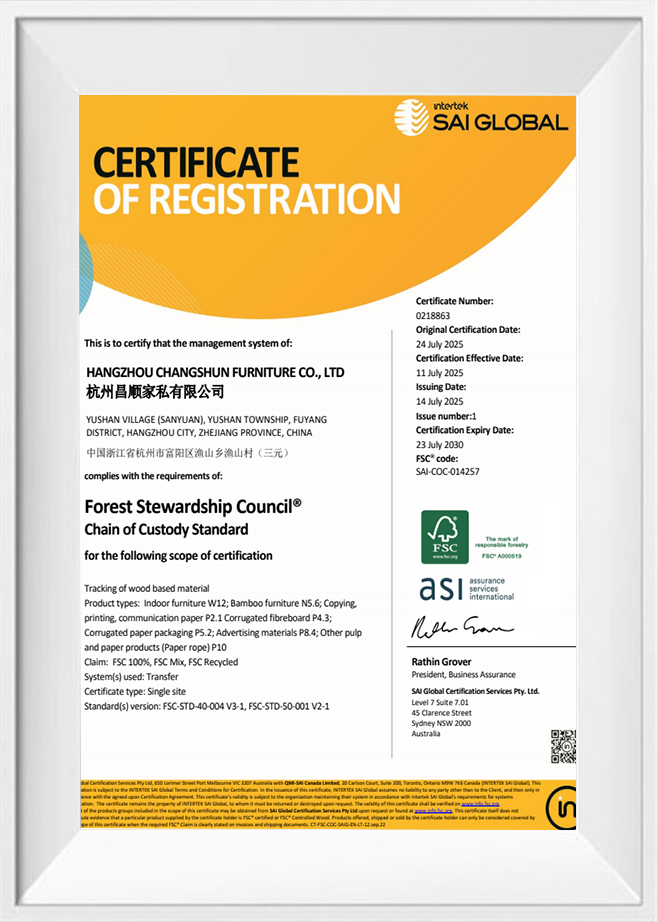
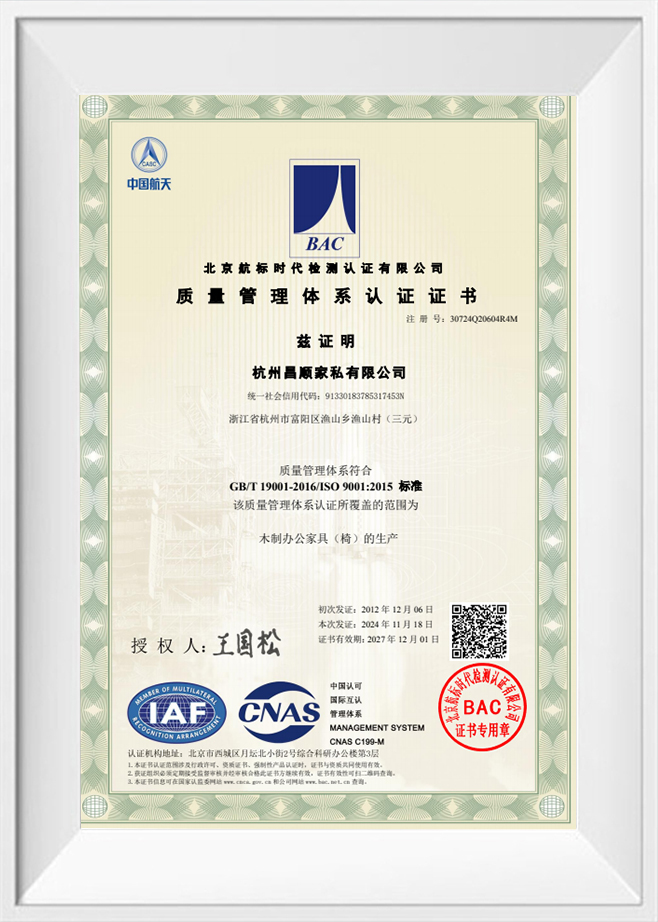
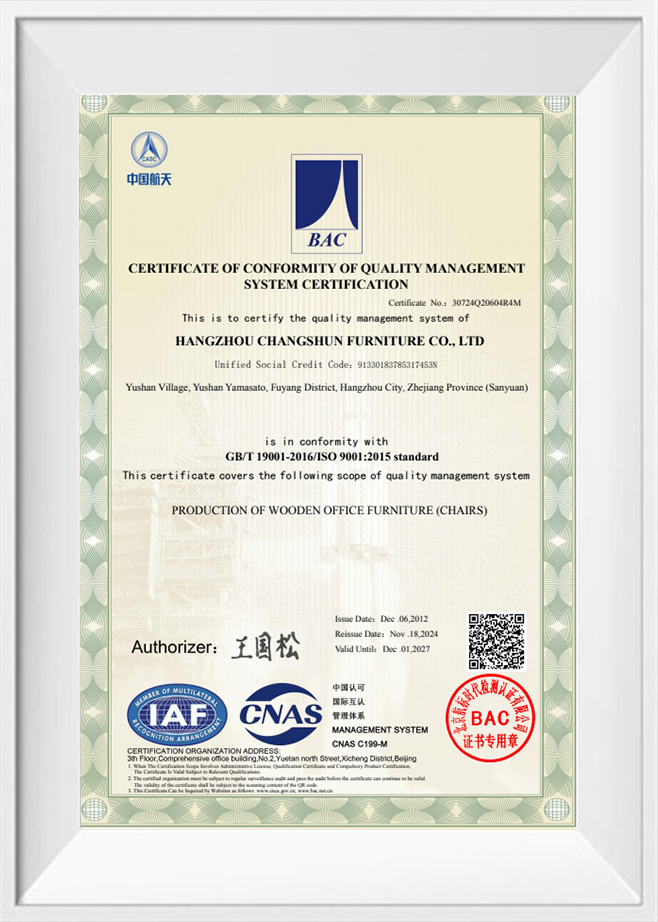
Ons kwaliteitsmanagementsysteem is gecertificeerd en documentatie ter ondersteuning van de bestelling kan worden opgesteld naast het commerciële papierwerk voor kopers die deze bij acceptatie nodig hebben.
Bij eetprojecten worden stoelen zelden afzonderlijk gespecificeerd. We produceren de omliggende zit- en tafelfamilies op dezelfde productievloer, waardoor afwerking en materiaaltaal consistent blijven over een compleet ruimtepakket.
Een werkbare configuratie en offerte is afhankelijk van een gedefinieerde set inputs. Wanneer deze geleverd worden, kunnen wij zonder herhaalde ophelderingsrondes het model, de kussenopbouw, de afwerking en de verpakkingsomvang bevestigen.
| Invoer | Wat het bepaalt |
|---|---|
| Eindgebruiksomgeving | Bekleding grade, foam density, finish durability |
| Doelhoeveelheid en orderstructuur | Productieplanning en haalbaarheid van maatwerk |
| Houtsoort en afwerkingsreferentie | Framemateriaal, kleurafstemming, monstervoorbereiding |
| Stof- of PU-staal | Kussenspecificatie en fysieke aftekening |
| Zithoogte en maatlimieten | Frameverstelling binnen het werkbereik |
| Verpakking en leveringsomvang | Kartonnen configuratie, laadplan, handelsvoorwaarden |
Met hout beklede stoelen worden op twee fronten behouden: het frameoppervlak en het kussen. Gelakte en geverfde kozijnen worden afgeveegd met een zachte, vochtige doek; schurende reinigingsmiddelen worden vermeden omdat ze de toplaag dof maken en de korrel blootleggen. Kussens van stof en bouclé worden vlekkeloos gereinigd, terwijl oppervlakken van PU en leertextuur na gebruik worden schoongeveegd.
Wanneer een achterpaneel via verborgen punten is bevestigd, kan het worden verwijderd en teruggeplaatst zonder het frame te vervangen – een praktisch voordeel voor horecaondernemers die stoelen in fietsen opknappen. Vervangende kussens en framecomponenten kunnen worden geleverd volgens de originele bestelspecificatie.
Onze met hout beklede stoelframes worden geproduceerd in massief eiken en beuken. Waar zichtbare nerven en een warme natuurlijke tint deel uitmaken van het ontwerp, wordt eikenhout gebruikt, zoals bij de driepoot- en rondkussenmodellen. Beukenhout wordt gebruikt waar een strakkere, uniformere nerf past bij een geverfde of gekleurde afwerking. Beide zijn geselecteerd op stabiliteit op de gewrichtsposities.
Ja. Wij ontwikkelen en produceren tafel- en stoelmeubelen op basis van klanttekeningen of fysieke monsters, als aanvulling op onze bestaande catalogus. Nieuwe rugleuningvormen, pootprofielen en niet-standaard zitafmetingen vereisen patroonontwikkeling, dus deze verzoeken hebben een langere pre-productiefase en een hogere minimale bestelhoeveelheid dan afwerkings- of stofwijzigingen.
De stoelen zijn gemaakt van een dubbellaagse schuimconstructie: een stevigere basislaag die de last draagt en het zitprofiel vasthoudt, met daarbovenop een zachtere comfortlaag op het contactoppervlak. De stevigheid van het kussen kan worden gespecificeerd binnen onze bestaande schuimkwaliteiten, en het multiplex zitsubstraat is zo gedimensioneerd dat het doorbuigen wordt voorkomen, waardoor de bekleding anders op spanningslijnen zou kreuken.
De minimale bestelhoeveelheid en doorlooptijd zijn afhankelijk van het model, de maatwerklaag en de orderstructuur. Afwerking, stof en verpakkingswijzigingen vallen binnen de standaardproductie; Veranderingen in zithoogte of armleuning vereisen insteltijd; nieuwe tooling verlengt de tijdlijn. Bij het citeren bevestigen wij beide cijfers ten opzichte van de specifieke configuratie.
We vereisen een fysieke monsteraftekening vóór productie. Een afgewerkt houten paneel in de opgegeven kleur wordt samen met het stof- of PU-staal gepresenteerd, zodat de combinatie als paar kan worden beoordeeld in plaats van op basis van digitale referenties. Dit is het punt waarop frame- en bekledingskleur samen worden bevestigd.
Onze houten en rotan stoelen en tafels worden geëxporteerd naar Europa, Noord-Amerika, Zuidoost-Azië en het Midden-Oosten. Handelsvoorwaarden, waaronder FOB, CIF en CNF, worden bevestigd in de offertefase, en we werken met zowel distributeurs als projectkopers aan herhalingsproductieprogramma's.




Innovatiegericht, Kwaliteit als Levenswijze.
Neem gerust contact met ons op als u met ons wilt samenwerken of gewoon een praatje wilt maken.
Word Klant 
Productcategorie
Houten Beklede Stoel
Gevlochten Houten Stoel
Houten Barstoelen
Houten Tafel
FSC-gecertificeerde Houten Stoelen
Houten Rotan Stoelen
Massief Houten Eetkamerstoel
Moderne Houten Eetkamerstoel
Contactinformatie
 +86-571-63521858
+86-571-63525898
 furniture@hzchangshun.com
emilypeng@hzchangshun.com
 Nr. 88, Zhumufan, Yushan Township, Fuyang District, Hangzhou City, provincie Zhejiang, China


 EN
EN